Basement Mold Removal · Warren

Basement Mold Removal in Warren, MI

Musty smell rising from below or dark spots on the basement walls? We clear the mold, dry the space, and stop the water that feeds it.

1-2 days installs · typical timeline
Free Quote

Free Basement Mold Removal quote.

We reply within 1 business hour. No spam, ever.

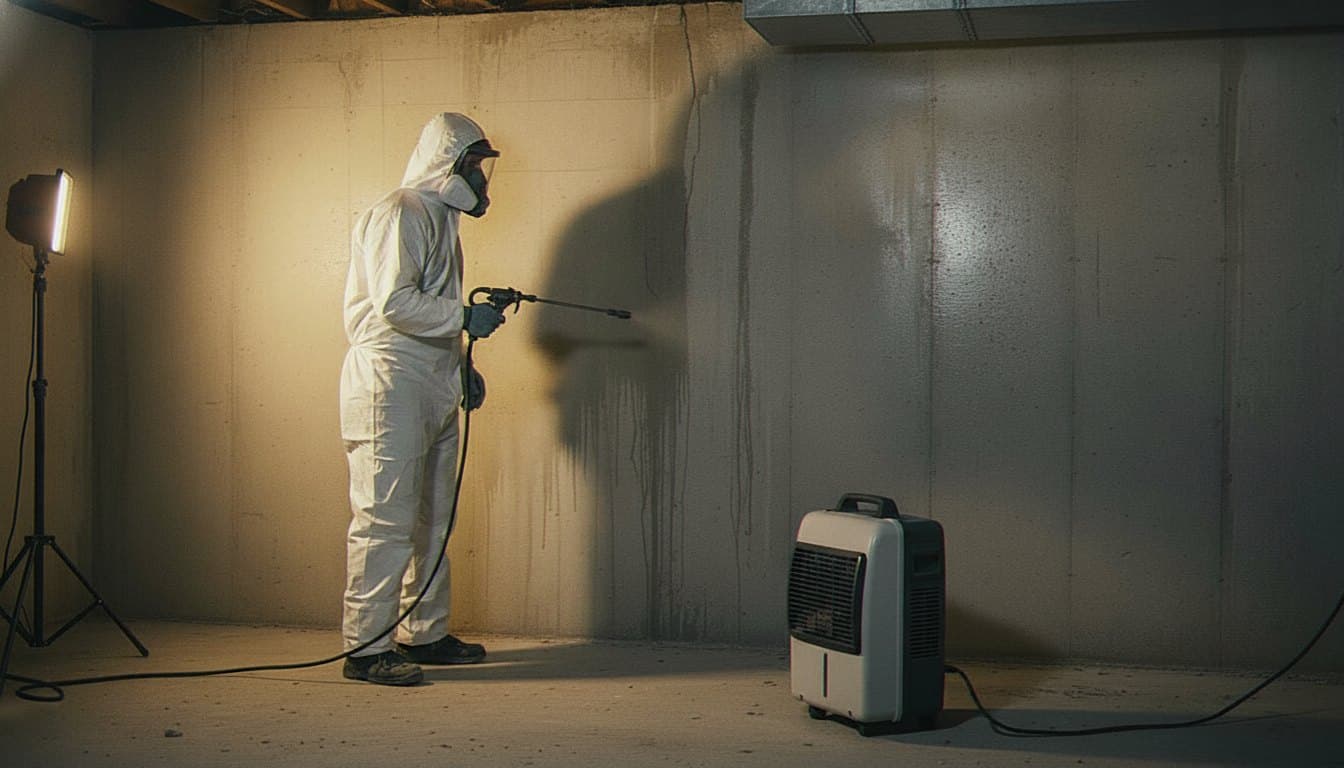
Technician removing mold in an unfinished basement
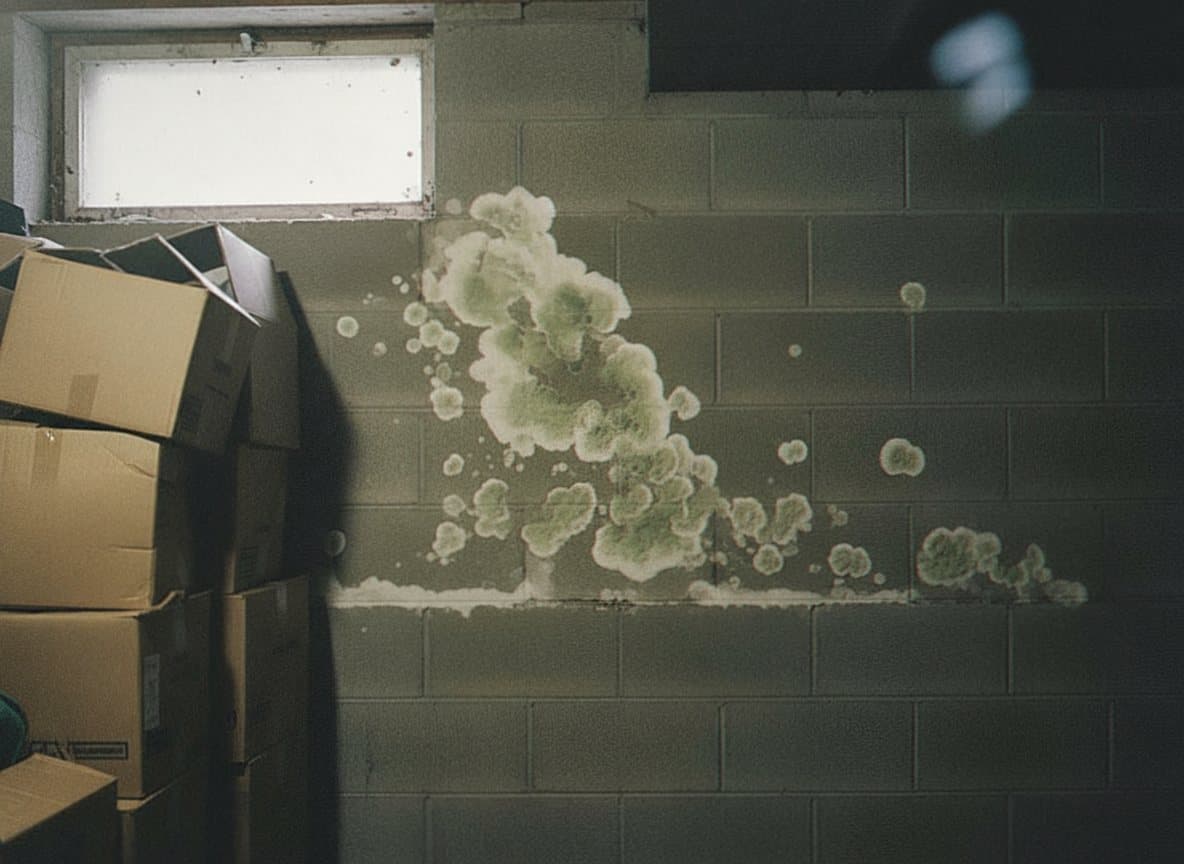
Mold growth across a basement foundation wall
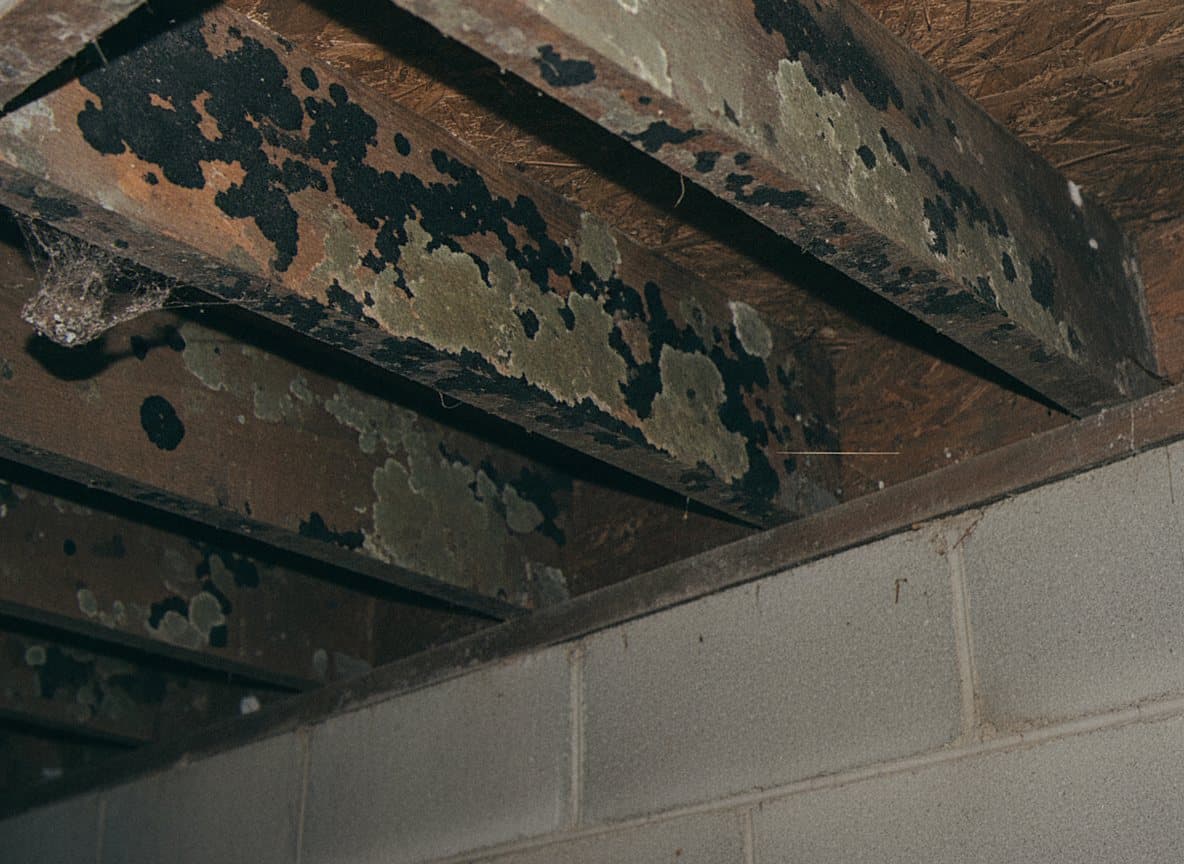
Mold on basement floor joists overhead
What we install

We clear basement mold and dry the space

Basement mold removal in Warren almost always starts with a smell. You head down the stairs and catch that damp, musty note in the air, then you spot dark patches creeping up a block wall or along the floor joists overhead. The basement is the number one place we find mold in a Warren home. It sits low. It stays cool, and it takes on water that the rest of the house never sees. We come out fast, find what is keeping it wet down there, and clear the growth the right way. Please do not paint over it or wipe it with bleach, because that only hides the problem and leaves the roots behind. Not sure how far it has spread? Our mold inspection and testing step can map it out first.

Real basement mold removal follows a careful order, and we never skip a step. First we seal off the work area with heavy sheeting and run negative air. That pulls air inward, so spores cannot drift up into your living space. A HEPA scrubber cleans the air the whole time we work. Soaked, porous stuff like drywall, paneling, and ruined boxes comes out for good. The walls, joists, and other hard surfaces get HEPA vacuumed and then wiped with an antimicrobial. Last, we dry the space with air movers until a moisture meter reads normal again. We follow IICRC and EPA guidelines the whole way, because that is what keeps the mold from coming back.

  • We seal the basement off first so spores never reach your living space.
  • Negative air and HEPA scrubbers keep the rest of the house clean.
  • We clear mold off foundation walls, floor joists, and stored belongings.
  • Air movers and meters confirm the space is truly dry before we go.
  • We trace the leak or seepage and fix the cause, not just the stain.
A dry basement is the only basement that stays mold free. We chase down the water first, every single time.

Warren basements give mold a head start, and we know exactly why. Most homes here went up fast in the auto boom years, set over full basements that take on water every spring. Old sump pits quit, heavy summer storms back up the floor drains, and damp air settles down low where mold loves to feed. Cool block walls sweat through a humid Michigan July, and a finished basement can trap all that moisture behind the paneling. We see these same patterns week after week in Macomb County homes. So we do not just scrub the spot in front of us. We read how water moves through your whole house and build the fix around it.

Smell something musty downstairs or see spots spreading on the wall? Call us today for a free inspection, and we will tell you straight what you are facing.
Materials

What good basement mold removal looks like

Good basement mold removal comes down to method more than any one product. The gear that matters is the gear that holds the mess in and dries the space back out. We run negative air machines that keep the work zone under lower pressure, so air flows in and never leaks up the stairs into your home. HEPA filters trap the spores. Air movers and dehumidifiers then pull the moisture out of the framing and the air until the readings drop. A basement holds damp longer than any room in the house, so the drying step is the one that really earns its keep.

On the cleaning side, we skip the quick fixes that look strong but do little. Bleach is the classic miss. It may lighten the stain on a block wall, yet it leaves the living roots in the porous spots where they keep on growing. Soaked drywall, paneling, and ruined storage come out. What stays, like the foundation and the joists, gets HEPA vacuumed and then treated with an antimicrobial made for mold. The real cure is pulling the mold out and taking its water away, not sealing the damp in behind a fresh coat of paint.

  • Negative air and HEPA scrubbers that keep spores out of your living space
  • Air movers and dehumidifiers that dry the framing and the block all the way down
  • An antimicrobial made for mold, used on the foundation and joists we keep
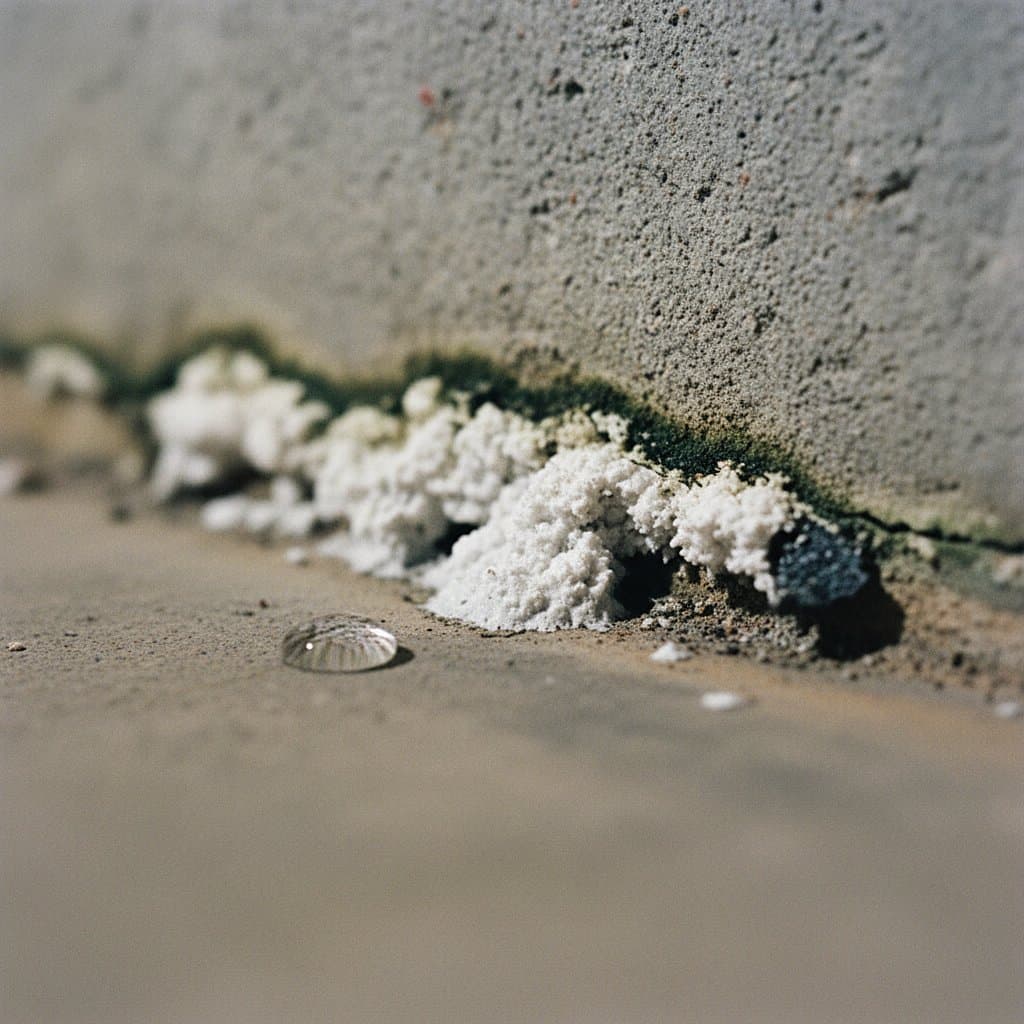
Water seepage stain on a basement wall
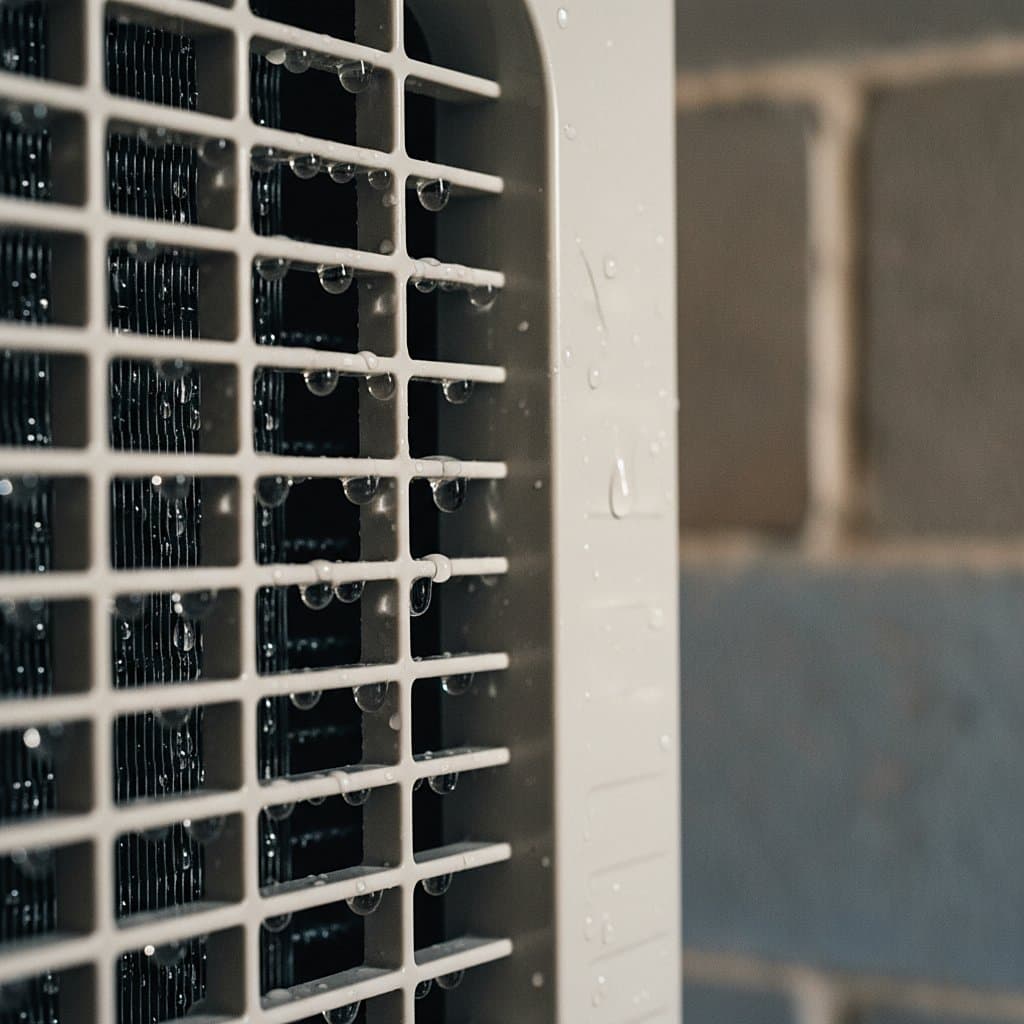
Dehumidifier running in a drying basement
What about the alternatives?

Basement mold removal versus the quick fixes

Plenty of options promise an easy fix for basement mold, and most fall short down where it stays damp. Here is how the common ones really stack up for a Warren home, so you can spend on the fix that lasts.

Bleach on the block wall

Bleach lightens the surface stain, but it never reaches the roots inside the porous block. The mold is back within weeks, often in the very same corner.

Skip

Paint or seal over it

A coat of sealer hides the spot and locks the damp right in. That trapped moisture just feeds more growth behind the fresh paint.

Skip

A dehumidifier alone

A dehumidifier helps keep a dry basement dry, and we often leave one running. On its own, though, it cannot clear mold that is already growing on the walls.

Acceptable

A general handyman

A handyman can swap out moldy drywall, but most are not set up for containment or drying. A damp basement needs the full process, not a patch.

Acceptable

Full containment removal

We seal the basement, run negative air, clear the ruined material, treat what stays, and dry the space. The mold is gone, and the water is fixed so it stays gone.

Recommended
How it goes

From quote to walk-on, fast.

01

Free inspection

02

Contain the area

03

Remove and treat

04

Dry and verify

Before you book

Common worries about basement mold, answered

A moldy basement is stressful, and you probably have a few questions before anyone heads down there. Here are the ones we hear most.

Why does the mold keep coming back in my basement?
Because the water keeps coming back too, and that is the part most quick fixes miss. Mold needs moisture to live, so if a wall still seeps or the air stays damp, the growth just returns. We trace the real source first, whether it is a tired sump pump, a crack in the foundation, or humid air with nowhere to go. Fix the water and the mold has nothing left to feed on.
Can I just clean basement mold myself?
A small fresh spot on a hard surface, maybe. Anything more than that is worth a closer look. Scrubbing moldy drywall with no containment can spread spores through the whole house, and bleach leaves the roots behind in the block. If the area is larger than a couple of feet, or the smell keeps coming back, it is time to call. We would rather scope it right than watch it spread.
How long does basement mold removal take?
Most basement jobs in a Warren home wrap up in a day or two. A small patch goes quick. A whole basement, or one tied to a flood or a burst pipe, runs longer, because we dry the structure fully before we close it back up. Drying is the step you cannot rush, since a basement holds damp longer than any other room.
Will you fix the water, or just remove the mold?
Both, and that order matters. We never clear mold without finding what made the space wet, because that is the only way it stays gone. Sometimes it is a failed sump pit, sometimes it is seepage through the block, sometimes it is just damp air that needs to move. We deal with the cause so you are not calling us back to the same corner next spring.
Aftercare

Keeping mold out of your basement for good

Once the mold is gone and the space is dry, a few easy habits keep your basement clear. Mold needs damp, still air to grow, so the goal is simple. Keep the basement dry, and keep the air moving. That matters most through a wet Warren spring or a sticky July, when the humidity creeps up without you noticing. Watch the spots where water likes to sneak in, and deal with any leak or seep the day you find it. Mold can take hold within two days of a soak, so a fast response is the best tool you have.

  • Run a dehumidifier in the basement through wet springs and humid summers
  • Test your sump pump before the spring melt, so it does not quit when you need it
  • Seal cracks and watch the block walls for fresh seepage after heavy rain
  • Keep stored boxes up off the floor and away from the foundation walls
  • Dry anything soaked within a day or two, never longer
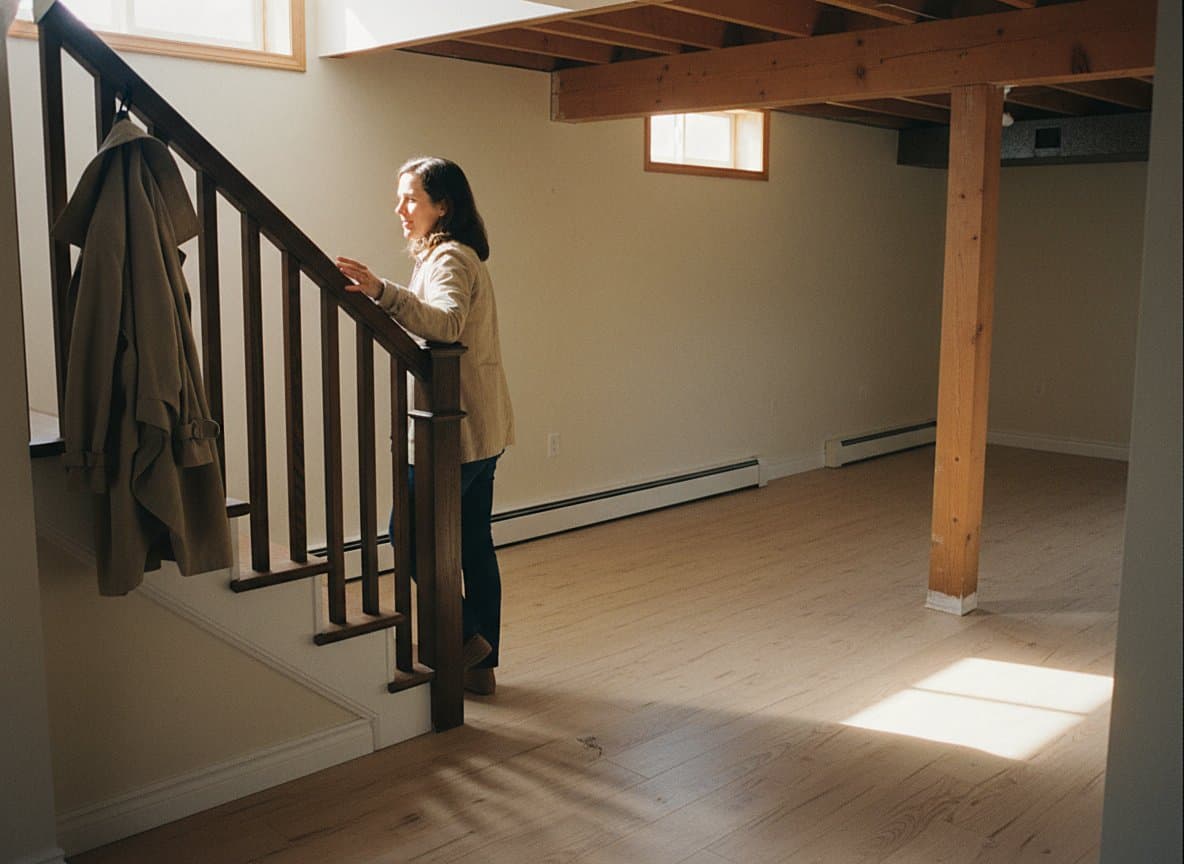
Relieved homeowner in a cleaned dry basement
FAQ

Basement mold questions Warren homeowners ask

Is black mold dangerous to my family's health, and what are the symptoms?
Black mold can stir up symptoms you might blame on a cold. Think a stuffy nose, a nagging cough, itchy eyes, or a throat that feels scratchy for no clear reason. Some people barely notice. Folks with asthma or allergies tend to feel it the most, and that is who we worry about first when we walk a home. We are mold pros, not doctors, so if anyone feels truly sick, please see a doctor while we clear the mold and dry the source.
How do you know if it is really toxic black mold or just regular mildew?
You often cannot tell black mold from plain mildew by sight, and that is the honest truth. Mildew is flat. It sits gray on a hard surface and wipes right off with a rag. The darker stuff people call toxic looks almost slimy, and it keeps coming back no matter how often you scrub. The only way to name the species is a lab test of an air or surface sample, so we would rather test and know than guess and tear out a wall you could have kept.
Do I need a mold test, or can you just remove what you can see?
It depends on what you are facing. When the mold is out in the open and the cause is plain to see, we can often scope the work by eye and skip the lab fee. A test earns its place when a musty smell has no visible source, when you want proof for a home sale, or when an insurer asks for paperwork. We would rather test and know than rip out a wall on a hunch. Spend on the fix, not on guesswork.
How much does a mold inspection cost and what does the report tell me?
We will not quote a price here, because every space is different and a fair number comes from seeing it first. Here is what you get. The report names the mold the lab found, shows how the air inside compares to the air outside, and marks every spot where we found moisture and growth. It tells you whether you have a real problem, how big it is, and what to do next. Plain words you can act on.
Why does mold keep coming back in my basement after I clean it?
Because the cleaning never touched the real cause. Mold is not the problem itself. It is a sign of water, and a basement gives it plenty, whether from a damp wall, a tired sump pump, or humid air that pools low and never dries out. Wipe the surface and the spores you cannot see stay put, then bloom again the moment the next damp spell rolls in. We find the water first, stop it, and only then clear the growth, which is the only way it stays gone.
Ready when you are

Ready for a real Warren floor?

Send a few photos or book a free 15-minute on-site walk-through. A fixed written quote within one business day.

Get a free quoteCall (586) 474-5359
CallFree Quote