Mold Inspection and Testing · Warren

Mold Inspection and Testing in Warren, MI

Not sure if that musty smell is mold? We test the air, sample the surface, and tell you what you are really dealing with.

Same day installs · typical timeline
Free Quote

Free Mold Inspection and Testing quote.

We reply within 1 business hour. No spam, ever.

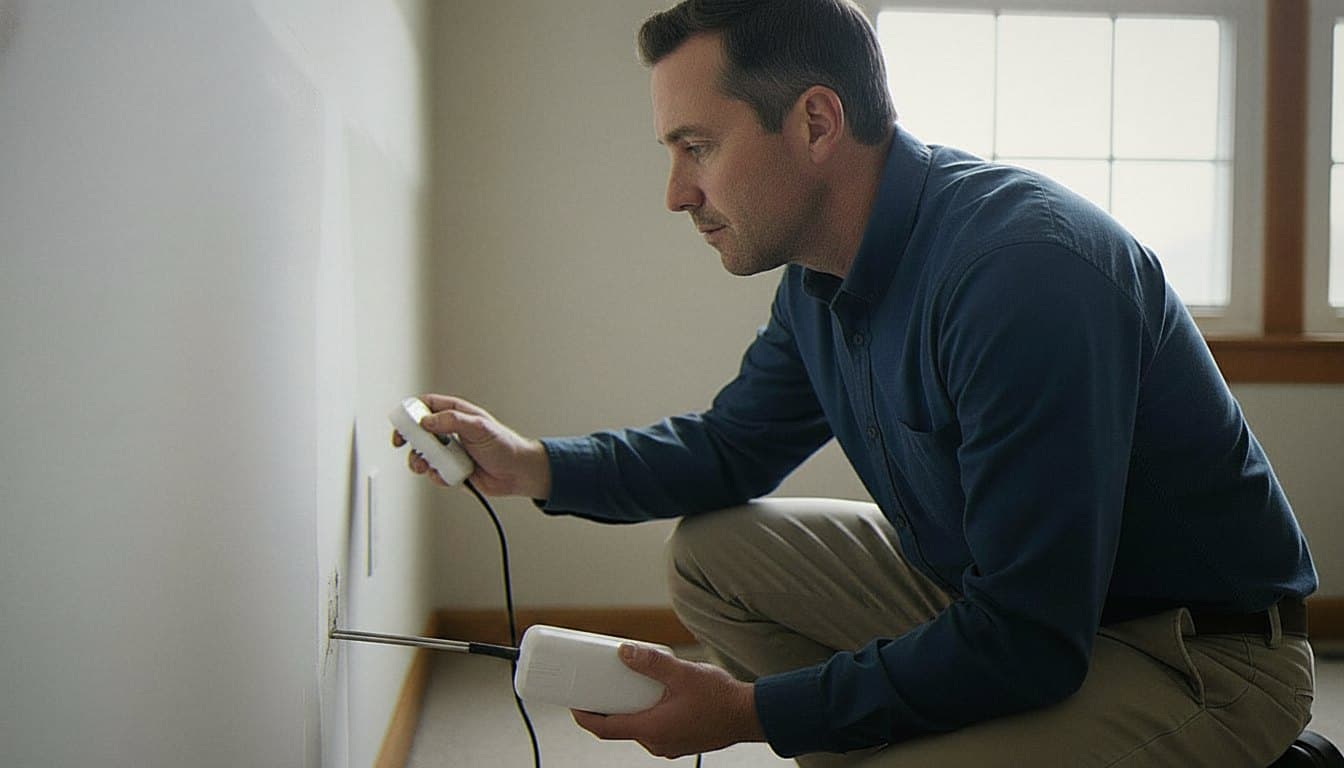
Inspector examining a wall for mold during inspection
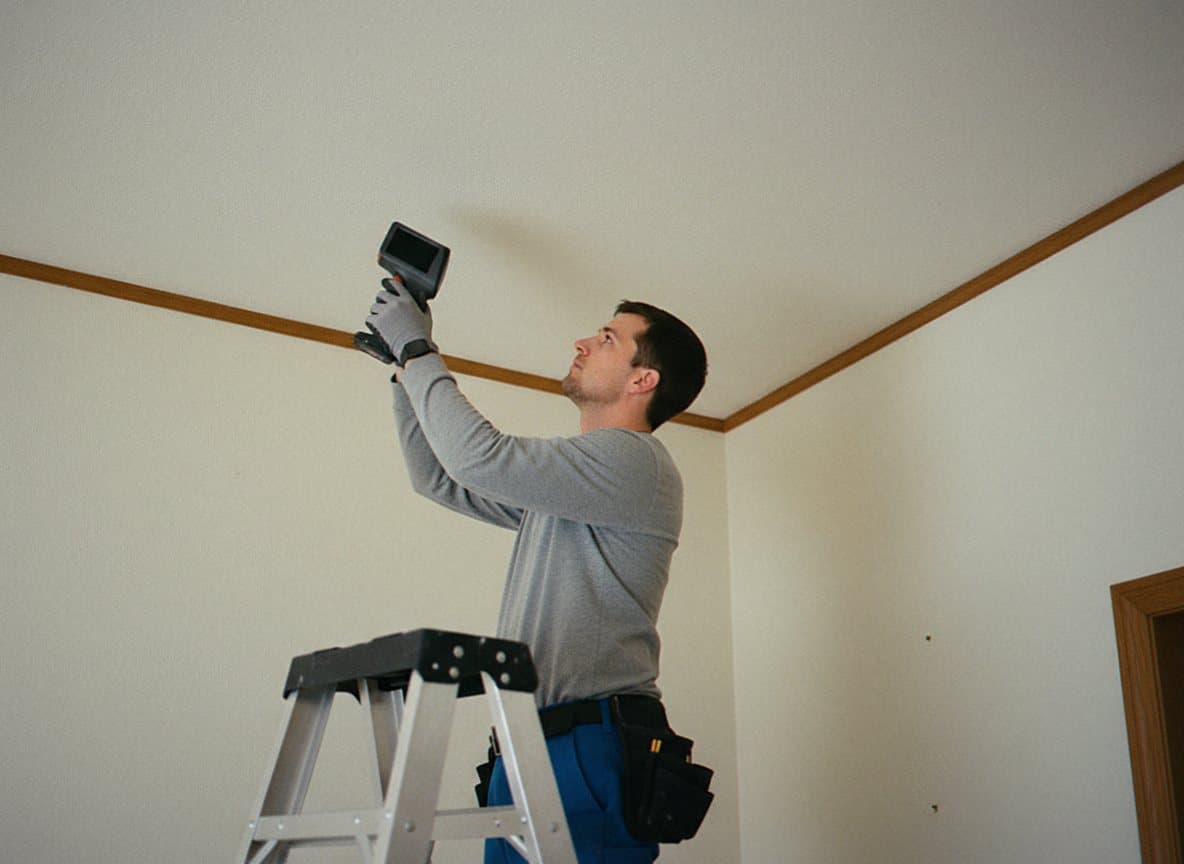
Inspector using a thermal camera to find moisture
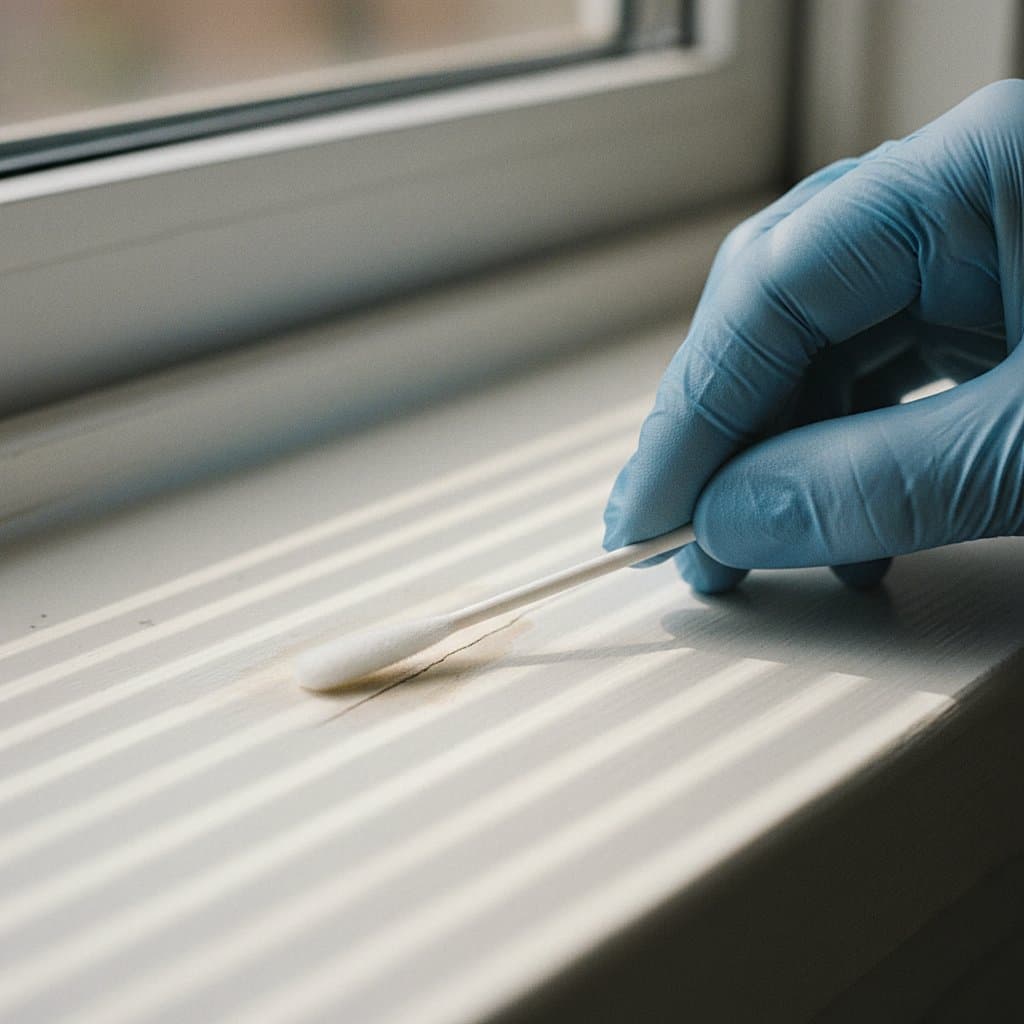
Gloved hand taking a surface mold swab sample
What we install

We find the mold and name the real problem

A mold inspection in Warren usually starts with a hunch. Maybe a room smells musty and damp, or a faint stain keeps showing up on the ceiling. Maybe a past leak has you worried about what is growing behind the wall. We come out, look the home over with trained eyes, and read the moisture with meters. Then we take air and surface samples so a lab can confirm what is really there. If the test points to active growth, our black mold removal step takes over from there.

A real mold inspection follows a clear order. First we walk the whole home and check the spots where mold likes to hide, like basements, attics, crawl spaces, and the backs of damp walls. We use a moisture meter to find wet spots you cannot see, and a thermal camera to spot cool, damp areas behind the surface. Where we suspect hidden growth, a small borescope lets us peek inside a wall cavity without tearing it open. Then we pull air samples and swab any visible spots, and we send it all to an independent lab. The report names what we found, where, and how bad, so the next step rests on facts and not a guess.

  • We check every space where mold hides, from the attic down to the crawl space.
  • Moisture meters and a thermal camera find the wet spots you cannot see.
  • Every sample we pull is read by an outside lab, never graded on our own bench.
  • You get a clear written report that names the problem and where it lives.
  • We scope the real job first, so you never pay to tear out a good wall.
A test you can trust names the mold, finds the water, and tells you exactly what to fix.

Warren homes give mold plenty of places to hide. Most went up fast in the auto boom years, set over full basements that take on water each spring. Old sump pits give out, summer storms back up the drains, and damp air settles down low where mold loves to grow. Up in the attic, winter ice dams push melt under the shingles and feed growth on the bare wood. We have walked through these same Macomb County homes for years, so we know where to look before we even open the door. That local read is what makes a Warren mold inspection worth far more than a quick glance.

Not sure what that musty smell really is? Call us today for a free mold inspection, and we will tell you straight what you are facing.

Materials

What a thorough mold inspection includes

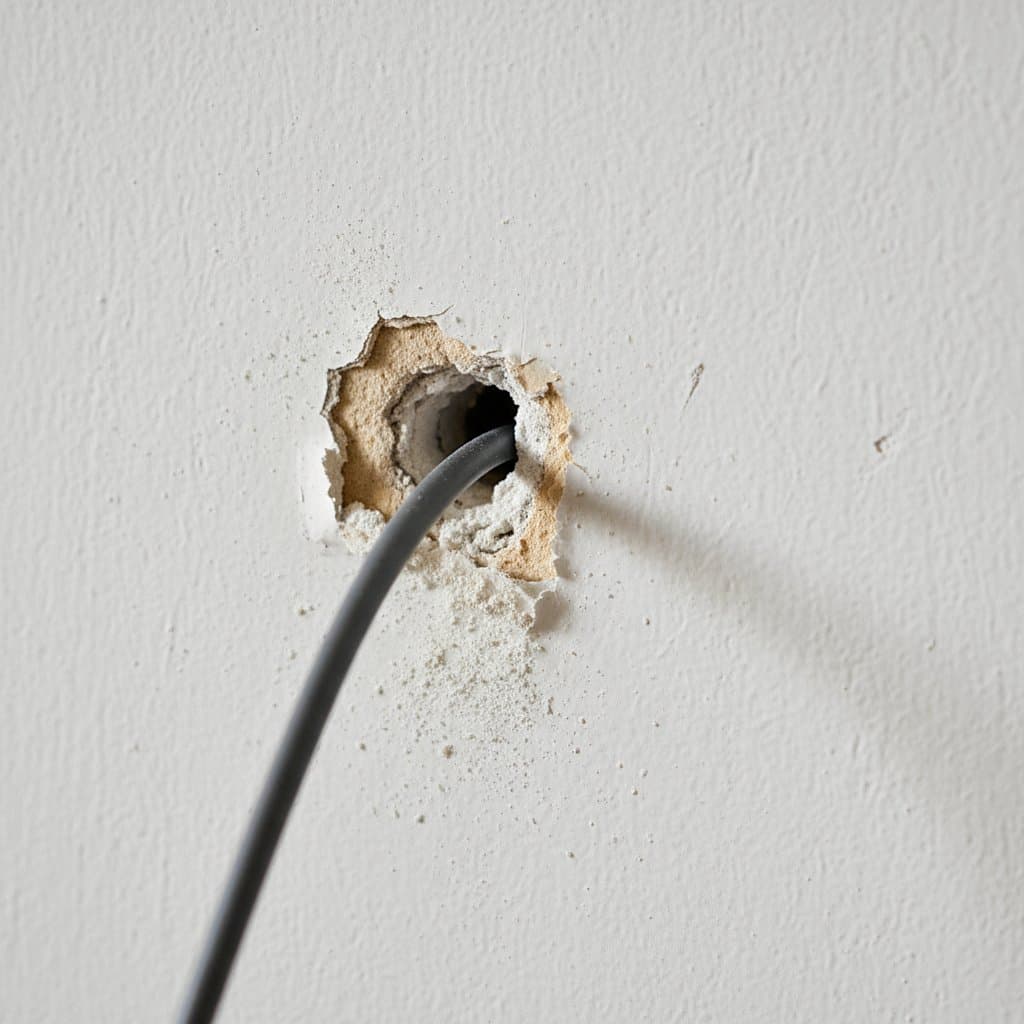
Good mold inspection is less about fancy gear and more about a careful, honest method. The tools still matter, though. A moisture meter reads how wet a surface really is, since mold needs water to live, and dry walls do not grow it. A thermal camera shows cool, damp patches hiding behind paint or tile, where a leak has soaked the wall out of sight. A borescope lets us look inside a closed cavity through a tiny hole. None of it works without the patience to check every likely spot, even the ones that look fine at first.

The other half of the job is the testing itself. We take air samples to measure the mold spore count in a room, then compare it to the air outside as a baseline. We swab or tape any visible growth so a lab can name the species under a microscope. The key is that the lab is independent, not us grading our own work. A fair report tells you what is there, how much, and where, even when the honest answer is that you do not need a big removal at all.

  • Moisture meters and a thermal camera that find water behind the surface
  • Air samples compared to the outdoor air as a clean baseline
  • An independent lab that names the mold, so no one grades their own work
Borescope probe inspecting inside a wall cavity
Homeowner reviewing a printed mold inspection report
What about the alternatives?

Testing first versus tearing out on a hunch

When you suspect mold, you have a few ways to go. Here is how the common ones really play out for a Warren home, so you can spend on the path that actually answers the question.

Ignore the musty smell

A musty smell rarely fixes itself, and mold spreads while you wait. A small problem today can turn into a whole wall by next season.

Skip

A home test kit from the store

A store kit can show that mold exists, which you likely already suspect. It cannot tell you how much, where it hides, or whether the level is even a concern.

Skip

Tear out the wall and look

Opening a wall can confirm mold, but it makes a mess and can spread spores through the house. It also costs you a repair you might not have needed.

Acceptable

A visual inspection only

A trained eye plus a moisture meter catches a lot of mold and is a solid first move. For a musty smell with nothing in sight, though, samples still tell the fuller story.

Acceptable

Full inspection with lab testing

We inspect the whole home, read the moisture, and send mold samples to an independent lab. You learn what is there and where, so the next step is based on facts.

Recommended
How it goes

From quote to walk-on, fast.

01

Free inspection

02

Contain the area

03

Remove and treat

04

Dry and verify

Before you book

Common worries about mold testing, answered

A test feels like one more cost when you just want the mold gone. Here are the questions we hear most before we start.

Do I really need a test, or can you just remove what you see?
Sometimes you do not need one. If the mold is out in the open and the cause is plain, we can scope the job by eye and skip the lab. A test earns its place when a musty smell has no clear source, when a buyer or seller wants proof, or when you need a record for an insurance claim. We would rather test than tear out a good wall on a guess.
What does the report actually tell me?
The report names what the lab found, like the type of mold and how heavy the spore count was. It compares the air inside to the air outside, so a normal reading is easy to see. It also marks where we found moisture and growth. In plain terms, it tells you whether you have a real problem, how big it is, and what the next step should be.
Is the inspection messy or invasive?
Most of it is not. We walk the home, read surfaces with meters, and take air samples with a small pump. If we suspect mold inside a wall, a borescope needs only a tiny hole, far less than opening the whole wall. We aim to learn the most while disturbing your home the least.
What if you find nothing serious?
Then that is exactly what the report says, and that is good news. A fair inspection is not a sales pitch for a big job. Plenty of times the honest answer is a small fix or just better airflow. We would rather tell you the truth than talk you into work you do not need.
Aftercare

Keeping your home in the clear after the test

Once the inspection is done and you know where you stand, a few simple habits keep mold from gaining a foothold. Mold needs damp, still air to grow, so the goal is easy to remember. Keep the home dry, and keep the air moving. That matters most in a Warren basement through a wet spring or a sticky July, when the humidity climbs without you noticing. Watch the spots where water likes to sneak in, and deal with any leak the day you find it. If a smell ever comes back, a quick retest tells you whether something new has started.

  • Run a dehumidifier in the basement through wet springs and humid summers
  • Fix leaks and damp spots fast, before mold can take hold
  • Keep gutters clear so roof melt and rain drain away from the house
  • Make sure bath and kitchen fans vent outside, not up into the attic
  • Retest if a musty smell returns, so you catch new growth early
Clean wall cleared after mold inspection
FAQ

Mold inspection questions Warren homeowners ask

Is black mold dangerous to my family's health, and what are the symptoms?
Black mold can stir up symptoms you might blame on a cold. Think a stuffy nose, a nagging cough, itchy eyes, or a throat that feels scratchy for no clear reason. Some people barely notice. Folks with asthma or allergies tend to feel it the most, and that is who we worry about first when we walk a home. We are mold pros, not doctors, so if anyone feels truly sick, please see a doctor while we clear the mold and dry the source.
How do you know if it is really toxic black mold or just regular mildew?
You often cannot tell black mold from plain mildew by sight, and that is the honest truth. Mildew is flat. It sits gray on a hard surface and wipes right off with a rag. The darker stuff people call toxic looks almost slimy, and it keeps coming back no matter how often you scrub. The only way to name the species is a lab test of an air or surface sample, so we would rather test and know than guess and tear out a wall you could have kept.
Do I need a mold test, or can you just remove what you can see?
It depends on what you are facing. When the mold is out in the open and the cause is plain to see, we can often scope the work by eye and skip the lab fee. A test earns its place when a musty smell has no visible source, when you want proof for a home sale, or when an insurer asks for paperwork. We would rather test and know than rip out a wall on a hunch. Spend on the fix, not on guesswork.
How much does a mold inspection cost and what does the report tell me?
We will not quote a price here, because every space is different and a fair number comes from seeing it first. Here is what you get. The report names the mold the lab found, shows how the air inside compares to the air outside, and marks every spot where we found moisture and growth. It tells you whether you have a real problem, how big it is, and what to do next. Plain words you can act on.
Why does mold keep coming back in my basement after I clean it?
Because the cleaning never touched the real cause. Mold is not the problem itself. It is a sign of water, and a basement gives it plenty, whether from a damp wall, a tired sump pump, or humid air that pools low and never dries out. Wipe the surface and the spores you cannot see stay put, then bloom again the moment the next damp spell rolls in. We find the water first, stop it, and only then clear the growth, which is the only way it stays gone.
Ready when you are

Ready for a real Warren floor?

Send a few photos or book a free 15-minute on-site walk-through. A fixed written quote within one business day.

Get a free quoteCall (586) 474-5359
CallFree Quote